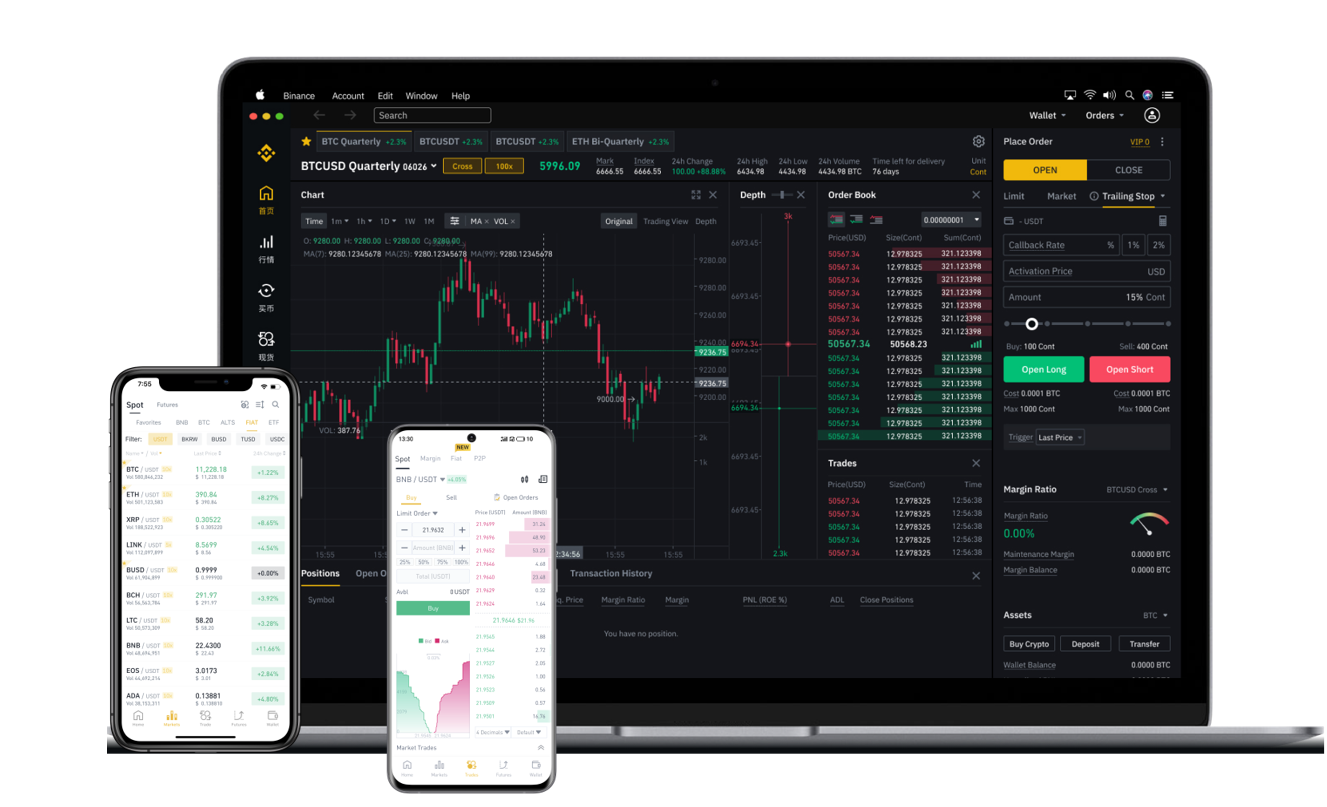
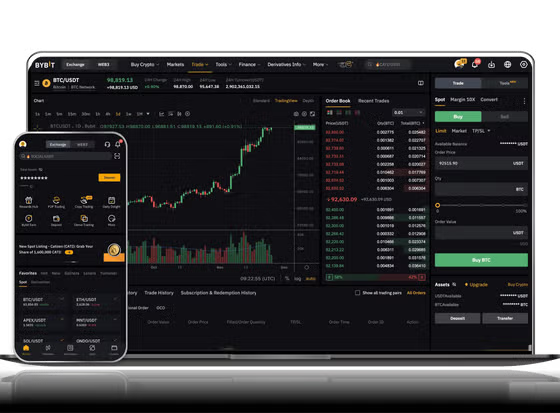

Binance is one of the largest and most widely used cryptocurrency exchanges in the world. The short answer to whether Binance is an exchange is yes—it is a centralized digital asset trading platform that allows users to buy, sell, and trade hundreds of cryptocurrencies. Founded in 2017 by Changpeng Zhao, Binance has grown rapidly due to its low trading fees, extensive coin listings, and a wide range of services including spot trading, futures, staking, and more.
For beginners, using Binance starts with creating an account. You can register on the Binance website or download the mobile app. The registration process requires an email address and a strong password. After signing up, you will need to complete identity verification (KYC), which involves submitting a government-issued ID and a selfie to comply with global financial regulations. While basic trading is possible without verification on some platforms, Binance generally requires KYC for full access to features like higher withdrawal limits and fiat currency deposits.
Once your account is verified, the next step is depositing funds. Binance supports deposits in cryptocurrencies (such as Bitcoin or Ethereum) and also allows fiat deposits via bank transfer, credit card, or third-party payment services, depending on your country. For example, users in the United States must use Binance.US, a separate entity, due to regulatory restrictions. After you have funds in your wallet, you can navigate to the "Trade" section to start buying or selling. The two most common trading interfaces are "Basic" (simple buy/sell) and "Advanced" (with charts and order types like limit and stop-limit).
To trade on Binance, you select a trading pair (e.g., BTC/USDT), choose the amount you want to trade, and place an order. A "market order" executes immediately at the current price, while a "limit order" lets you set a desired price for execution. Binance also offers a "convert" feature for beginners who prefer a one-click swap between coins without dealing with order books. Beyond trading, Binance provides other tools: you can earn interest on idle coins through "Earn" products (like flexible savings or staking), trade futures and margin (with higher risk), and even participate in new token launches on Binance Launchpad.
Security is a key consideration when using Binance. The platform employs industry-standard measures including two-factor authentication (2FA), withdrawal whitelists, and cold storage for assets. Users should enable 2FA using Google Authenticator or SMS codes to protect their accounts. Additionally, it is wise to avoid keeping large amounts of cryptocurrency in the exchange wallet; instead, transfer long-term holdings to a personal hardware wallet. Binance also has a "SAFU" (Secure Asset Fund for Users) insurance fund to cover potential losses from security breaches.
In summary, Binance is a versatile cryptocurrency exchange that offers both simple and advanced features for users of all levels. To get started, create an account, complete verification, deposit funds, and use the trading interface that best fits your experience. While the platform is powerful and user-friendly, always practice safe trading habits—start with small amounts, learn the differences between spot and futures trading, and keep your account secure. Whether you are buying your first Bitcoin or executing complex trading strategies, Binance provides the tools you need in one comprehensive ecosystem.